



A Step-by-Step Guide to the IVF Journey

Undergoing fertility treatment can feel overwhelming, but understanding the roadmap ahead is one of the best ways to reduce anxiety and prepare for the journey. The IVF Procedure Steps are designed to coordinate your body’s natural cycles with advanced laboratory techniques, creating the optimal environment for conception.
Here is a detailed look at the five key stages of the In Vitro Fertilization process.
Step 1: Ovarian Stimulation
In a natural monthly cycle, a woman typically releases a single egg. To increase the chances of success, IVF requires multiple eggs.
- The Process: You will self-administer injectable hormones for approximately 8–14 days to stimulate your ovaries to produce multiple follicles (the fluid-filled sacs where eggs grow).
- Monitoring: During this time, your doctor will monitor follicle growth and hormone levels using blood tests and transvaginal ultrasounds to determine the perfect time for retrieval.
Step 2: Egg Retrieval (OPU)
Once the follicles reach a mature size, a “trigger shot” is given to finalize egg maturation. About 36 hours later, the retrieval takes place.
- The Procedure: This is a minor surgical procedure performed under sedation. A thin needle is guided via ultrasound through the vaginal wall to suction the eggs from the follicles. It is a quick process, usually lasting 20 to 30 minutes, and is generally painless due to anesthesia.
Step 3: Sperm Retrieval and Fertilisation
While the eggs are being retrieved, a sperm sample is collected from the partner (or a donor sample is thawed).
- Insemination: The best sperm are selected and combined with the eggs in a culture dish.
- ICSI (Intracytoplasmic Sperm Injection): If sperm quality or quantity is an issue, a single healthy sperm is injected directly into each mature egg to facilitate fertilisation.
Step 4: Embryo Culture
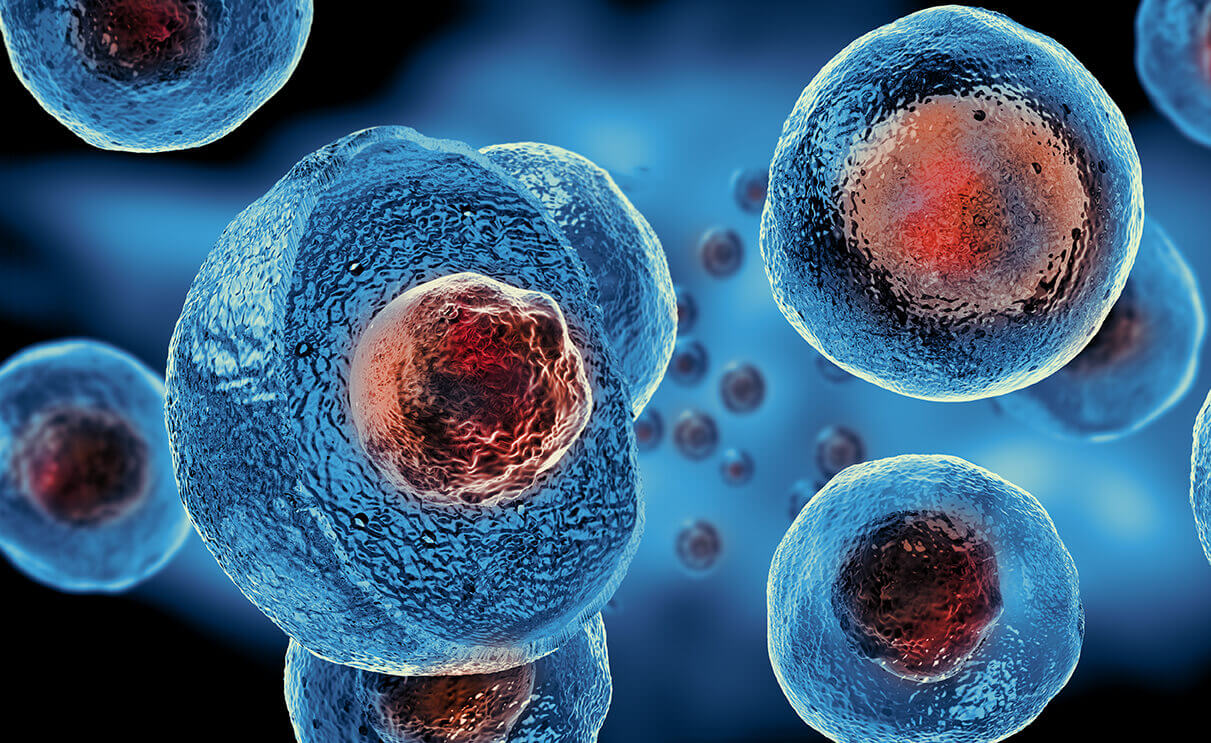
The fertilized eggs (now embryos) are kept in a specialized incubator that mimics the environment of the fallopian tubes.
- Development: Embryologists monitor the embryos closely as they divide and grow. This stage typically lasts 3 to 5 days, until the embryos reach the “blastocyst” stage, which is often ideal for implantation.
Step 5: Embryo Transfer
The final step is the transfer of the embryo into the uterus.
- The Procedure: This is a simple procedure that does not require anesthesia. The doctor inserts a thin catheter through the cervix and places one or more embryos into the uterus. If successful, the embryo will implant in the uterine lining, resulting in pregnancy.
Choosing the Right Partner in Care
Every step of this process requires precision, timing, and expertise. At Liv Hospital, our multidisciplinary team ensures that you are not just undergoing a medical procedure, but are being supported by a dedicated team of specialists who prioritize your safety and success rates.


