


The Architecture of Human Mobility: Innovations in Musculoskeletal Health
The human body relies on an intricate, highly specialized framework to achieve mobility, stability, and physical resilience. This complex network, comprising bones, joints, ligaments, tendons, and muscles, operates in continuous synchrony to facilitate everything from basic locomotion to high-impact athletic performance. When acute trauma, chronic wear, or congenital anomalies disrupt this structural harmony, specialized medical intervention becomes imperative. The medical discipline dedicated to diagnosing, treating, and preventing disorders of this musculoskeletal system is orthopedic medicine. As technological and surgical techniques evolve, this field has transitioned from simply managing structural damage to proactively preserving and restoring optimal physical function, allowing individuals to maintain active lifestyles well into their later years.
The Pathology of Degenerative Conditions
A significant portion of musculoskeletal medicine addresses the gradual deterioration of joint and bone structures. Conditions such as osteoarthritis represent a progressive failure of the articular cartilage—the smooth, protective tissue that cushions the ends of articulating bones. As this cartilage breaks down due to age, mechanical stress, or genetic predisposition, the resulting bone-on-bone friction causes severe localized inflammation, structural deformity, and chronic pain.
Similarly, osteoporosis silently compromises bone density, altering the internal microarchitecture of the skeletal system and rendering it highly susceptible to traumatic fractures from minimal force. Managing these degenerative pathologies requires a profound knowledge of cellular bone remodeling and joint mechanics, focusing heavily on slowing disease progression and mitigating severe structural deficits before major surgical intervention becomes the only viable option.
Acute Trauma and Soft Tissue Injuries
Beyond progressive degeneration, acute physical trauma constitutes a critical pillar of musculoskeletal treatment. High-velocity impacts, sports-related accidents, and severe falls frequently result in complex bone fractures, ligamentous tears, and tendon ruptures. Specific anatomical structures are particularly vulnerable to sudden, forceful overloading, including:
- The Anterior Cruciate Ligament (ACL): Critical for knee stability and preventing excessive forward tibial translation during rotational movements.
- The Rotator Cuff Complex: A group of muscles and tendons essential for shoulder articulation, stability, and upper extremity strength.
- The Achilles Tendon: The body’s thickest tendon, absorbing massive amounts of kinetic energy necessary for normal walking and running biomechanics.
When these vital soft tissues tear, they often retract and lack the necessary blood supply to heal autonomously. Reconstructing these stabilizing structures demands extreme surgical precision. Specialists must flawlessly realign the damaged anatomy to restore the exact mechanical tension required for normal joint kinematics, ensuring the newly repaired tissue can withstand future physical stress without failure.
Advancements in Surgical Precision and Prosthetics
The surgical landscape of musculoskeletal healthcare has experienced a profound transformation over the past two decades. Historically, procedures required large incisions, extensive tissue dissection, and prolonged recovery periods. Today, medical technology has drastically shifted toward tissue-sparing methodologies that prioritize rapid rehabilitation.
Key innovations driving this transformation include:
- Arthroscopic Interventions: Surgeons now repair complex intra-articular damage through microscopic incisions using fiber-optic cameras and specialized miniature instruments, dramatically reducing tissue trauma and postoperative pain.
- Advanced Prosthetic Materials: When joint destruction reaches an end-stage level, total joint replacement utilizes highly cross-linked polyethylene, porous titanium, and specialized ceramics to construct implants that closely mimic the natural glide and weight-bearing capacity of a biological joint.
- Robotic-Assisted Navigation: Computer-guided systems enable surgeons to calculate anatomical angles dynamically and position prosthetic implants with millimeter accuracy, significantly extending the lifespan of the hardware and optimizing postoperative range of motion.
The Imperative of Specialized Institutional Care
Executing these highly complex diagnostic and surgical protocols demands a sophisticated medical infrastructure. The successful treatment of severe musculoskeletal disorders relies heavily on a multidisciplinary approach, integrating advanced radiological imaging, customized anesthesia protocols, and intensive postoperative physiotherapy. Top-tier medical institutions must possess state-of-the-art operating theaters equipped for robotic surgery, advanced fluoroscopy, and stringent infection control protocols.
Esteemed facilities, such as Liv Hospital, are deeply committed to providing this elevated standard of specialized care. By fostering an environment where highly trained surgeons collaborate seamlessly with physiotherapists, pain management specialists, and rheumatologists, premier healthcare centers ensure that every patient receives a meticulously customized treatment plan. This institutional excellence minimizes surgical risks, accelerates the biological healing timeline, and maximizes the long-term functional outcome of the therapeutic intervention.
The Future of Skeletal and Joint Preservation
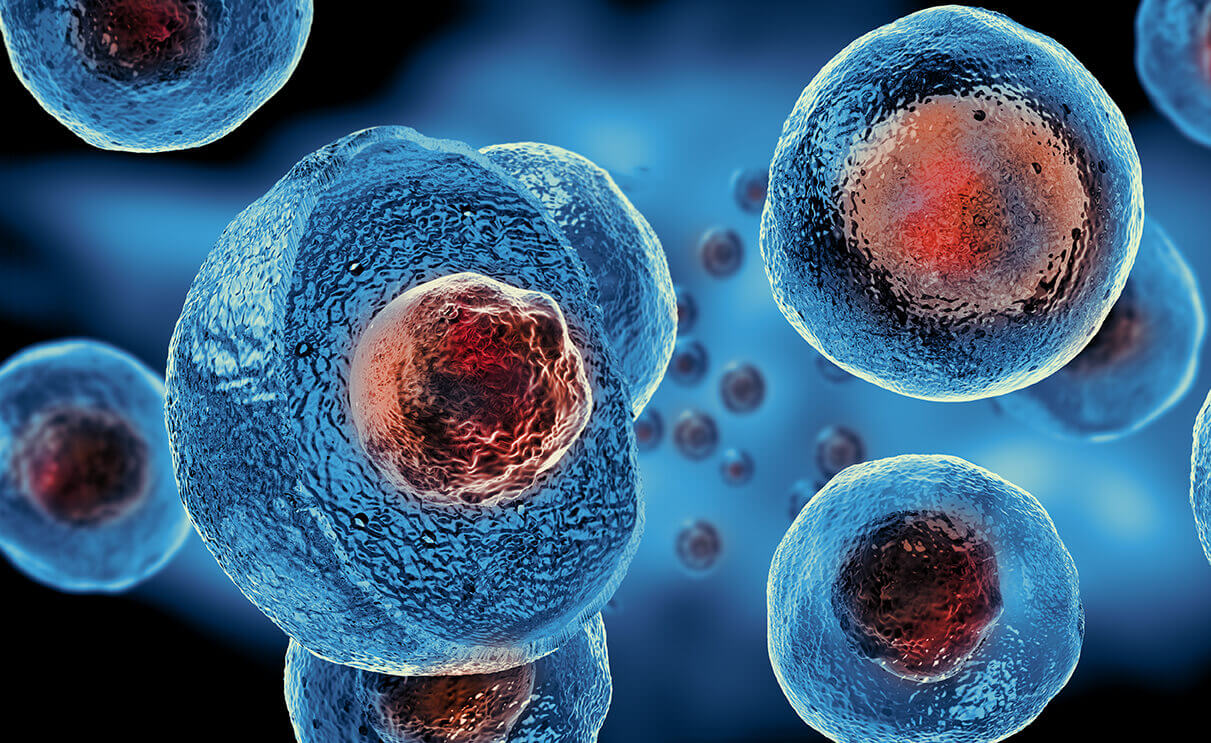
As ongoing research delves deeper into the cellular mechanisms of tissue repair, the reliance on purely mechanical fixes will likely diminish. The rapid integration of orthobiologics—utilizing the body’s own cellular resources, concentrated platelets, and specific growth factors to stimulate localized healing—is currently advancing the frontier of musculoskeletal preservation. By continually refining both highly precise surgical techniques and targeted biological therapies, the medical community successfully overcomes the profound challenges of physical trauma and joint deterioration. This relentless pursuit of medical excellence ensures that structural injuries and degenerative skeletal conditions no longer dictate a permanent loss of mobility, offering a future where physical longevity aligns seamlessly with chronological age.


