



The Biology of Cellular Mutation: Mechanisms and Advancements in Oncology
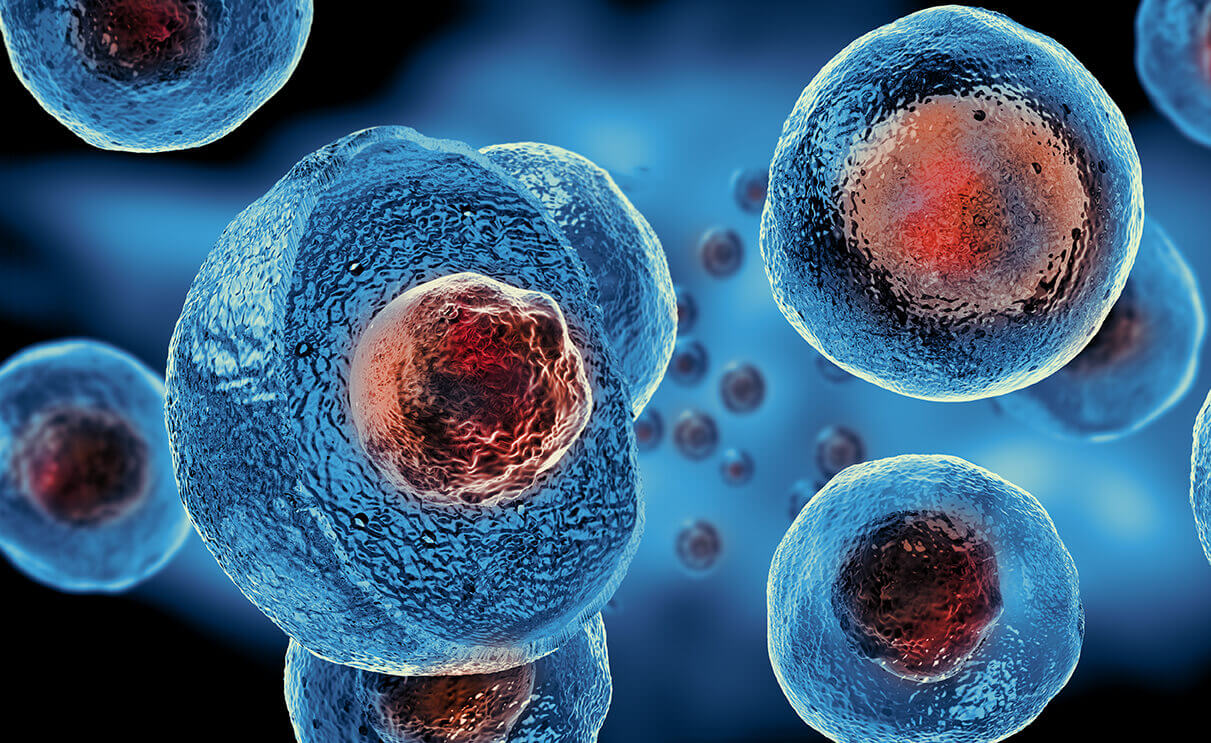
The human body is composed of trillions of highly specialized cells that grow, divide, and expire in a meticulously regulated sequence. This natural biological rhythm ensures that tissues remain healthy, functional, and capable of repairing acute damage. However, when this carefully orchestrated cellular cycle is disrupted, the physiological consequences can be profound. At the foundational level, this biological disruption is characterized by the uncontrolled division and proliferation of abnormal cells. These rogue entities successfully bypass the body’s natural apoptosis—the programmed cell death that eliminates old or damaged tissues—and continue to multiply exponentially. This unchecked replication often results in the formation of tissue masses known as tumors. While some tumors remain benign, highly localized, and relatively harmless, others develop aggressive malignant properties, invading surrounding tissues and severely compromising vital organ functions.
The Genetic Genesis of Malignancy
The development of a malignancy fundamentally originates deep within the genetic code. Deoxyribonucleic acid (DNA) contains the precise instructions dictating cellular behavior, division, and lifespan. When specific mutations occur within critical genetic structures—particularly oncogenes, which actively promote cell growth, and tumor suppressor genes, which exist to inhibit it—the affected cell permanently loses its regulatory mechanisms. As these mutated cells rapidly multiply, their metabolic demands surge, requiring an increasing supply of oxygen and nutrients. Through a complex biochemical process called angiogenesis, these growing masses stimulate the formation of entirely new blood vessel networks to sustain their abnormal expansion.
If left unmitigated, these malignant cells can ultimately detach from their primary site of origin. They possess the capability to travel through the lymphatic system or the bloodstream, seeding themselves into distant, previously healthy organs. This systemic spread, known medically as metastasis, remains one of the most formidable and complex challenges in treating cancer. Deeply understanding these distinct molecular behaviors is absolutely essential for researchers developing highly effective, targeted therapeutic strategies.
Evaluating Risk Factors and Environmental Triggers
While the exact biochemical trigger for spontaneous genetic mutation varies widely among individuals, decades of intensive medical research have identified numerous risk factors that significantly elevate the likelihood of cellular abnormalities. Certain individuals inherit specific genetic predispositions, possessing inherited mutations such as BRCA1 or BRCA2, which substantially increase the statistical lifetime risk of specific tissue malignancies.
However, the vast majority of cellular mutations are acquired gradually over a lifespan, heavily driven by environmental and lifestyle factors. Prolonged, repeated exposure to known environmental carcinogens, including tobacco smoke, harsh industrial chemicals, and intense ultraviolet radiation, significantly accelerates DNA damage. Additionally, underlying biological conditions such as chronic cellular inflammation, specific persistent viral infections, and complex metabolic imbalances associated with obesity can create an internal biological environment highly conducive to abnormal cellular proliferation. Mitigating these modifiable risk factors through dedicated lifestyle adjustments and rigorous environmental protections constitutes a primary pillar of global preventative health initiatives.
Precision Diagnostics and Targeted Therapeutics
Detecting microscopic cellular abnormalities at their earliest biological stages is paramount for successful medical intervention. Recent technological advancements in diagnostic imaging, molecular pathology, and liquid biopsies have entirely revolutionized the ability of diagnosticians to identify circulating tumor DNA long before physical symptoms manifest in the patient.
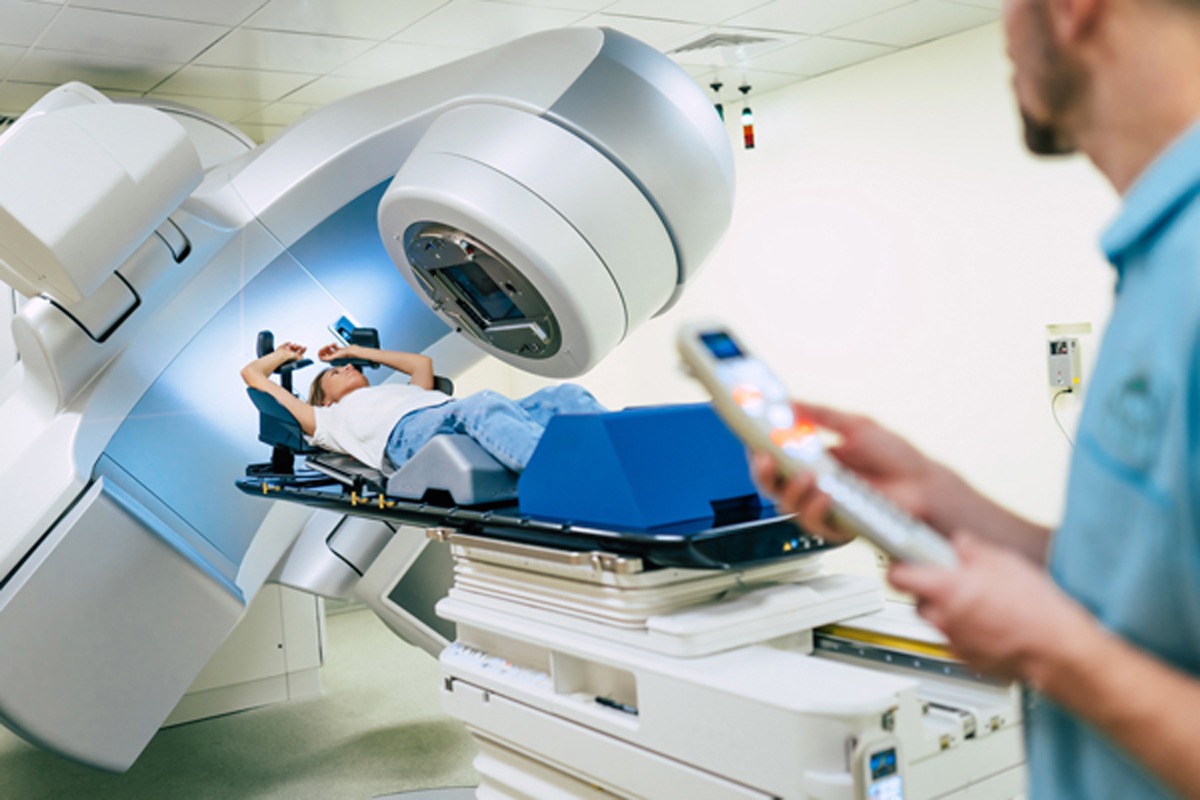
Once a definitive pathology is confirmed, the therapeutic approach is strictly dictated by the specific histological type, anatomical location, and systemic stage of the disease. Historically, generalized systemic treatments like cytotoxic chemotherapy and broad-field radiation served as the standard protocols, acting forcefully but indiscriminately against all rapidly dividing cells. Today, the oncological landscape has shifted drastically toward the application of precision medicine. Advanced targeted therapies now specifically block the precise molecular pathways driving tumor growth, while breakthrough immunotherapies actively reprogram the patient’s own immune system, teaching it to recognize, attack, and destroy malignant cells with unprecedented accuracy.
The Necessity of Multidisciplinary Medical Infrastructure
Effectively navigating the immense biological complexities of oncological diagnosis and treatment demands a highly coordinated, multidisciplinary medical approach. Because cellular mutations can fundamentally alter any organ system in the body, optimal patient management requires the seamless, daily collaboration of surgical oncologists, medical oncologists, radiation specialists, pathologists, and genetic counselors. Specialized healthcare institutions must be equipped with the sophisticated technological infrastructure necessary to support this comprehensive care model.
Facilities that prioritize advanced clinical research and utilize state-of-the-art diagnostic machinery are uniquely positioned to offer highly personalized, genetically tailored treatment protocols. Esteemed medical centers, such as Liv Hospital, provide the integrated medical expertise required to manage complex oncological cases. Such institutions ensure that all therapeutic interventions are meticulously aligned with the absolute latest scientific protocols and rigorous international safety standards. The routine utilization of multidisciplinary tumor boards within these top-tier hospitals ensures that every single aspect of a patient’s unique pathology is thoroughly analyzed from multiple expert medical perspectives.
The Horizon of Oncological Science
The ongoing evolution of oncological science continues to rapidly redefine the boundaries of what is medically possible. As dedicated researchers delve progressively deeper into the intricate genomic and proteomic profiles of malignant cells, the global medical community moves steadily closer to a future where targeted therapies become increasingly curative rather than merely suppressive. The continuous refinement of artificial intelligence in diagnostic algorithms and the massive expansion of immunotherapeutic applications represent a monumental leap forward in human health. Through persistent scientific inquiry, rigorous preventative screening protocols, and the careful administration of highly targeted biological treatments, medical science is steadily dismantling the structural complexities of cellular mutation, offering a profound trajectory of scientific progress and elevated health outcomes for global populations.

