


IVF and Modern Solutions

In the journey toward parenthood, medical science has opened doors that were once considered closed. In vitro fertilization (IVF), a primary method of artificial fertilisation, stands as a beacon of hope for millions of couples worldwide. Understanding the definition, process, and possibilities of this technology is the first step for those considering this path.
What is IVF? Definition and Concept
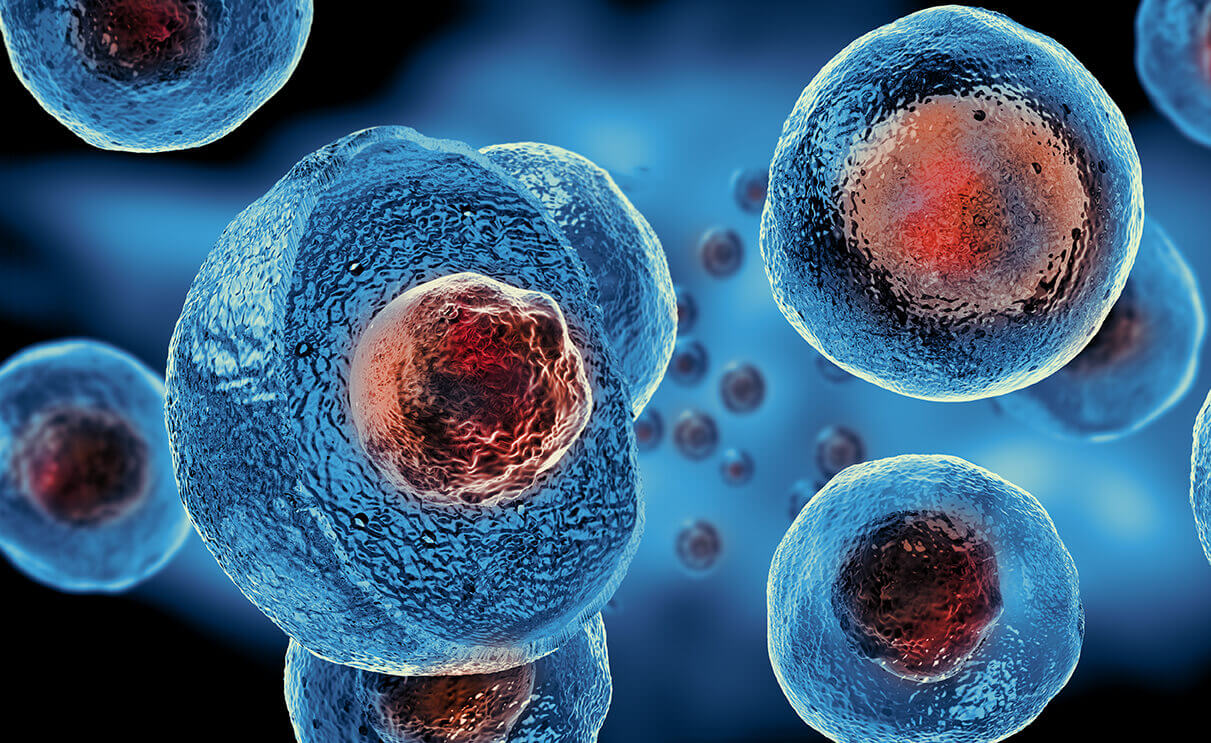
IVF Artificial Fertilisation Overview and Definition begins with understanding the term “in vitro,” which literally means “in glass.” Unlike natural conception, where fertilisation occurs within the woman’s fallopian tubes, IVF involves the fertilisation of an egg by a sperm outside the body, in a controlled laboratory environment.
Once the embryo the fertilised egg is formed, it is carefully monitored before being transferred into the uterus to establish a pregnancy. It is the most effective form of assisted reproductive technology (ART) available today.
How Does the IVF Process Work?
The process is a sophisticated, multi-step journey designed to maximize the chances of a healthy pregnancy. While every patient’s roadmap is unique, the standard procedure typically follows these stages:
- Ovarian Stimulation: The patient receives hormonal medications to stimulate the ovaries to produce multiple eggs, rather than the single egg usually produced each month.
- Egg Retrieval: A minor surgical procedure is performed to collect the mature eggs from the follicles.
- Sperm Collection: On the same day as egg retrieval, a sperm sample is provided or thawed.
- Fertilisation: The eggs and sperm are combined in a laboratory. In cases of male infertility, a technique called ICSI (Intracytoplasmic Sperm Injection) may be used, where a single sperm is injected directly into an egg.
- Embryo Culture: The resulting embryos are grown in a lab for 3 to 5 days.
- Embryo Transfer: One or more healthy embryos are transferred into the uterus.
Why Choose IVF?
Artificial fertilisation is not only for those facing traditional infertility. It is a versatile solution for a variety of circumstances:
- Blocked or Damaged Fallopian Tubes: Providing a bypass for the natural meeting point of egg and sperm.
- Endometriosis: Overcoming reproductive challenges caused by displaced uterine tissue.
- Male Factor Infertility: Addressing low sperm count or motility issues.
- Genetic Screening: Allowing for Preimplantation Genetic Testing (PGT) to ensure embryos are free of specific hereditary conditions.
- Unexplained Infertility: Offering a solution when standard tests cannot identify a clear cause for difficulty in conceiving.
Taking the Next Step
Choosing the right clinic is as important as the procedure itself. At Liv Hospital, we combine world-class laboratory technology with a compassionate, patient-centered approach to ensure you feel supported at every milestone. Our specialists focus on personalized protocols designed to increase success rates while prioritizing the well-being of the mother.
As you embark on this life-changing transition, it is equally important to care for your mental and physical health. Maintaining a balanced diet, managing stress, and staying active can significantly impact your journey. For more tips on maintaining a healthy lifestyle during fertility treatments, visit live and feel.


