


The Science of Cellular Renewal: Exploring the Potential of Regenerative Therapy
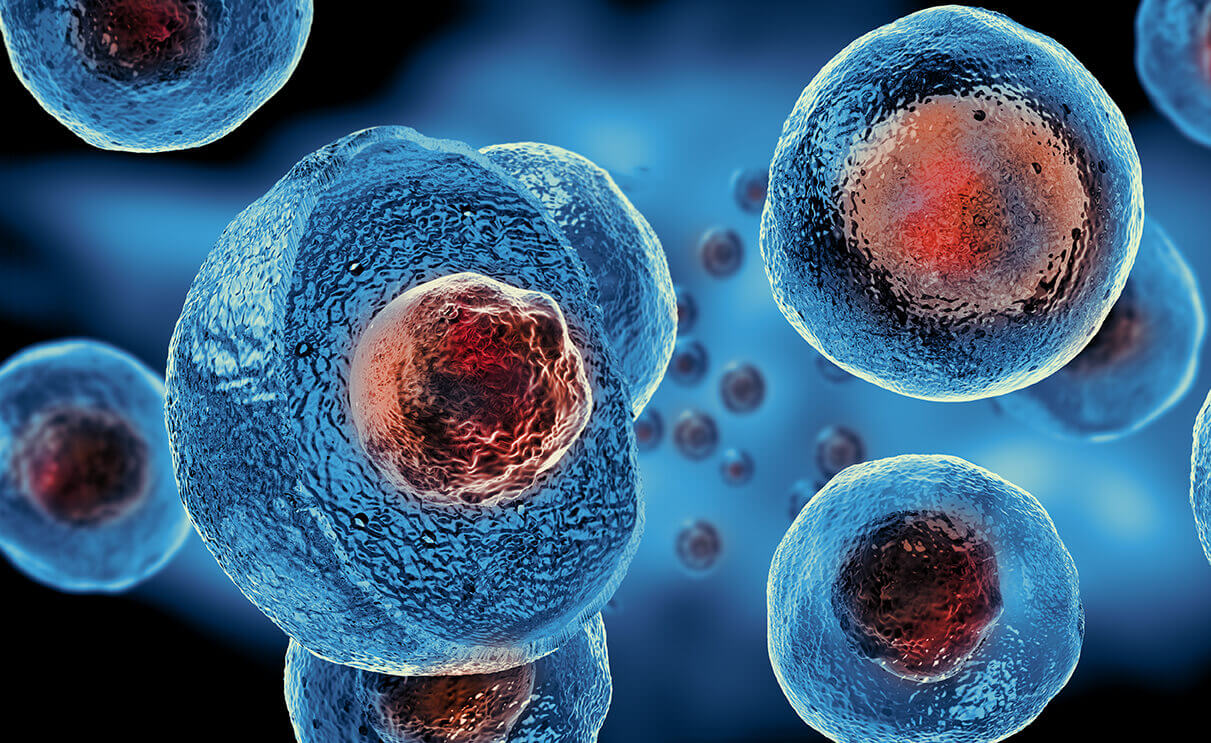
The human body is a remarkably complex biological engine, continuously repairing and regenerating itself to maintain optimal health and structural integrity over a lifetime. At the very core of this incredible innate regenerative capacity lie specialized biological units that hold the key to healing. Unlike typical cells, which have fixed structural or functional roles, these unique cellular entities possess the extraordinary ability to develop into a multitude of different cell types. As medical science rapidly advances into a new era of precision healthcare, the focus on regenerative therapies has significantly intensified. This paradigm shift has brought these versatile biological building blocks to the absolute forefront of scientific research and advanced medical treatment, offering hope for conditions that were once considered irreversible.
Every organ, tissue, and complex system in the human body traces its fundamental origins back to a single stem cell. These remarkable biological structures serve as an internal repair and maintenance system. They possess a unique capability known as self-renewal, allowing them to divide essentially without limit to replenish other cells as long as the organism remains alive. When one of these entities divides through a process called asymmetric division, each new daughter unit has the potential either to remain a biological blank slate or to differentiate and become a more specialized cell. This specialized outcome could manifest as a contracting muscle cell, an oxygen-carrying red blood cell, or an impulse-transmitting neuron in the brain. This remarkable trait—classified broadly as pluripotency or multipotency depending on the specific cell’s functional capability—allows the human body to replace damaged, aging, or diseased tissues. The focused application of this natural mechanism forms the structural basis of regenerative medicine, a field dedicated to restoring normal physiological function to affected areas rather than merely managing the superficial symptoms of a disease.
Medical professionals and researchers generally categorize these regenerative building blocks into several primary classifications, defined by their origin and their inherent differentiation potential. Adult, or somatic, varieties are found in relatively small numbers within most mature adult tissues, primarily residing in specialized niches within bone marrow, adipose tissue, and peripheral blood. These are typically multipotent; they can differentiate into a strictly limited range of cell types that are closely related to their specific tissue of origin. For instance, hematopoietic variants located in the bone marrow specifically give rise to all the various elements of the blood.
Conversely, embryonic varieties are entirely pluripotent, possessing the profound capability to become almost any specialized cell type within the human body. In recent years, genetic scientists have achieved a monumental breakthrough by developing induced pluripotent variants. By taking regular, mature adult cells—such as simple skin cells—and genetically reprogramming them in a laboratory setting, researchers can induce them to behave functionally like their embryonic counterparts. This groundbreaking advancement offers a significant leap forward in both therapeutic applications and laboratory research, providing highly customizable treatments while circumventing the ethical complexities traditionally associated with embryonic sources.
The therapeutic potential of these cellular powerhouses across various medical disciplines is vast and rapidly expanding. In the field of orthopedics, specialists increasingly utilize them to accelerate the natural healing timeline in severe, non-union bone fractures and to proactively regenerate degraded cartilage in chronic, debilitating joint diseases such as osteoarthritis. Beyond structural repair, neurological researchers are rigorously investigating their potential to mitigate or repair the complex damage caused by traumatic spinal cord injuries, ischemic strokes, or progressive neurodegenerative conditions such as Parkinson’s disease and amyotrophic lateral sclerosis. Furthermore, cardiovascular specialists are exploring innovative methods to restore cardiac tissue viability after it has been severely damaged by a myocardial infarction. A vital, yet often overlooked, mechanism of these treatments is immunomodulation. Rather than just replacing lost tissue, certain types of these cells secrete potent biochemical signals that actively reduce harmful localized inflammation and regulate the immune system, making them incredibly promising candidates for treating severe autoimmune disorders.
Successfully accessing and implementing these highly advanced biological treatments requires the refined expertise of specialized medical institutions. It is imperative that such facilities are equipped with state-of-the-art laboratory technology and staffed by highly trained, multidisciplinary medical specialists. World-class healthcare organizations like Liv Hospital are positioned at the vanguard of integrating these innovative regenerative therapies directly into comprehensive patient care protocols. Leading institutions ensure that cellular therapies are meticulously processed and administered under the most stringent medical guidelines and internationally recognized safety standards. The controlled environment and rigorous quality assurance provided by top-tier medical centers are absolutely crucial for the safe and successful application of regenerative medicine. This level of institutional excellence ensures that every therapeutic procedure is carefully tailored to meet the specific anatomical, physiological, and genetic needs of the individual patient, maximizing therapeutic outcomes while prioritizing absolute safety.
The Horizon of Regenerative Health
As rigorous ongoing research continues to painstakingly unlock the deep molecular secrets of cellular differentiation and tissue regeneration, the practical scope of regenerative medicine will undoubtedly continue to expand exponentially. Dedicated scientists and clinicians are continually refining biological delivery techniques and genetic engineering to enhance the long-term efficacy, safety, and precision of these advanced treatments. The ongoing transition from traditional, pharmaceutical-heavy symptom management to authentic, biology-driven tissue regeneration represents one of the most significant paradigm shifts in the history of healthcare. With sustained scientific inquiry, robust international collaboration, and the unwavering dedication of advanced medical facilities worldwide, the intelligent application of regenerative cellular technology promises to thoroughly transform the management of severe chronic diseases and traumatic injuries. Ultimately, this biological revolution stands poised to deliver a profound and lasting impact on global human health, vitality, and overall longevity.


