
Advancing Modern Medicine: The Impact of Stem Cell Therapies
The realm of regenerative medicine and hematology has witnessed unprecedented advancements over the last few decades, fundamentally altering the prognosis for patients facing severe, life-threatening conditions. At the core of this medical evolution are highly specialized Stem Cell Treatment and Procedures. By leveraging the human body’s intrinsic biological building blocks, these advanced interventions offer far more than temporary symptom relief; they provide definitive, curative pathways for diseases that previously offered little hope.
The Biological Foundation of Cellular Regeneration
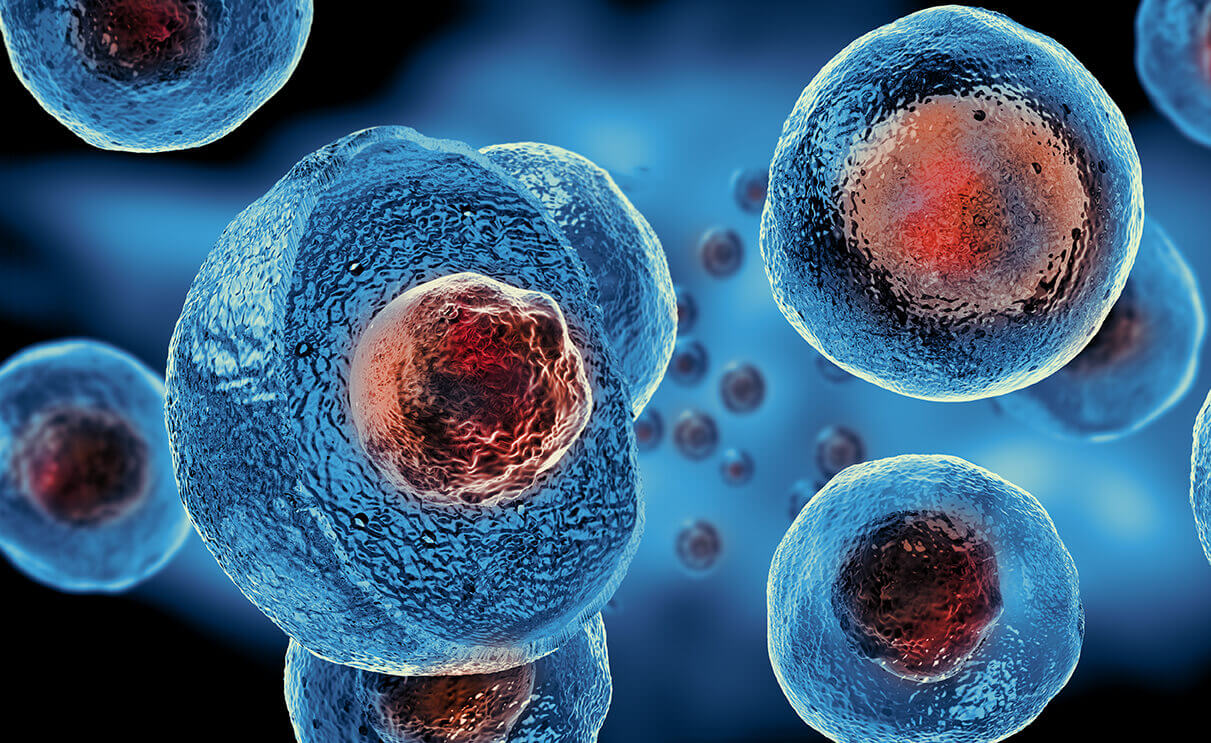
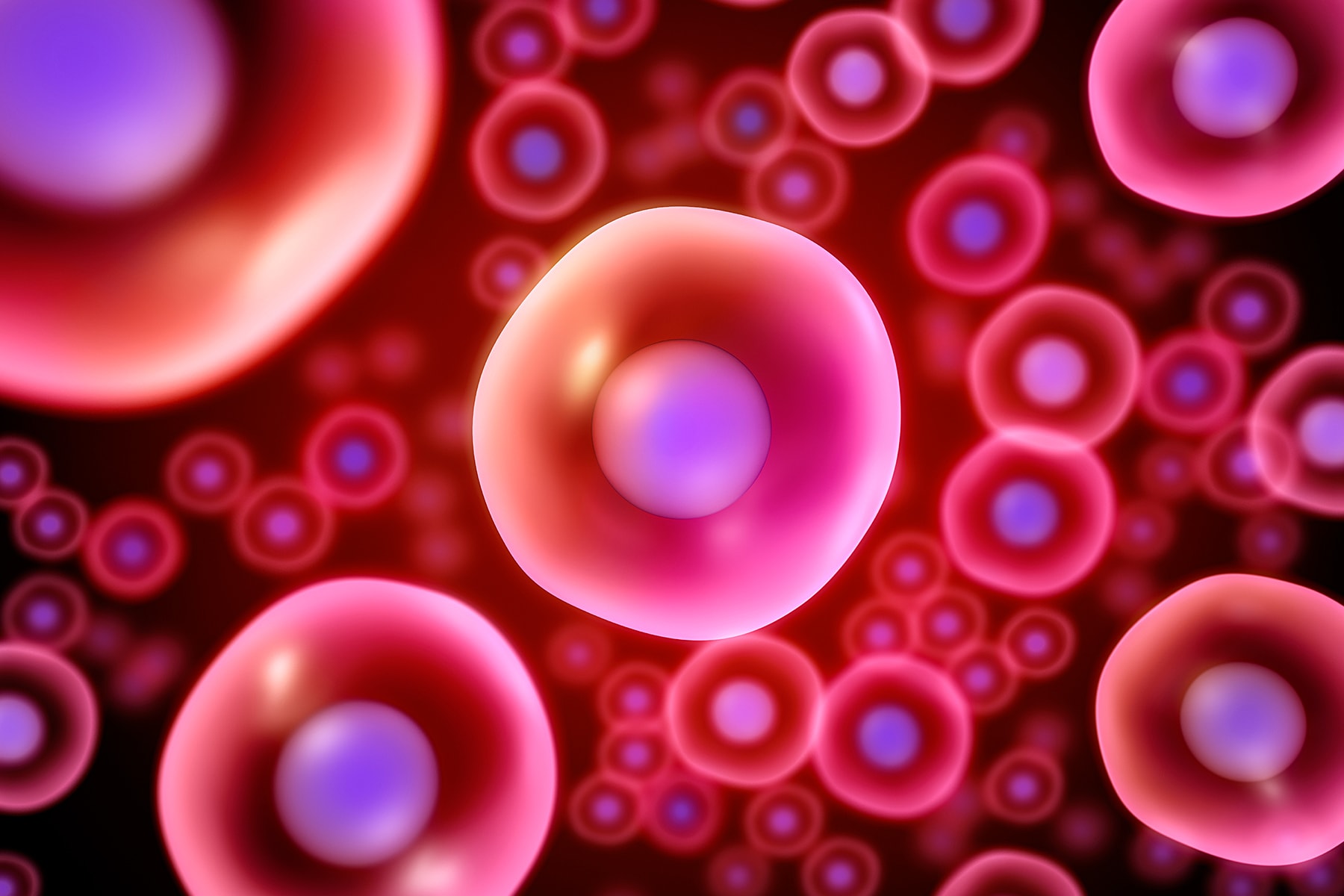
To appreciate the profound impact of these medical interventions, it is necessary to examine the underlying biology of the cells involved. Stem cells are uniquely unspecialized, possessing the extraordinary capacity to differentiate into various highly specific cell types while continuously renewing themselves. In the treatment of severe blood disorders and malignancies, hematopoietic stem cells take center stage. Primarily located within the spongy tissue of the bone marrow, these powerful progenitor cells act as a microscopic manufacturing center, tirelessly producing the red blood cells, white blood cells, and platelets essential for human survival.
When debilitating diseases—such as leukemia, lymphoma, multiple myeloma, or severe aplastic anemia—disrupt this delicate biological machinery, the bone marrow becomes compromised. It either ceases production altogether or becomes overrun by rapidly multiplying malignant cells. In these critical scenarios, cellular therapy intervenes by introducing a fresh, uncontaminated supply of healthy stem cells into the patient’s bloodstream, effectively resetting the entire hematopoietic and immune system.
Core Modalities of Cellular Transplantation
Medical professionals carefully tailor treatment modalities based on a patient’s specific diagnosis, overall physical resilience, and disease progression. These life-saving interventions generally fall into two primary categories:
- Autologous Transplants: This approach utilizes the patient’s own biological material. Healthy stem cells are safely extracted from the peripheral bloodstream or bone marrow and meticulously cryopreserved. The patient then undergoes highly intensive, disease-eradicating chemotherapy. Once the diseased marrow is obliterated, the preserved cells are thawed and reinfused. Because the cells belong to the patient, there is virtually zero risk of immunological rejection.
- Allogeneic Transplants: This highly complex modality relies on stem cells procured from a healthy, genetically compatible donor. The donor may be a fully matched sibling, a haploidentical family member, or a volunteer from an international registry. Allogeneic procedures require exact Human Leukocyte Antigen (HLA) matching to minimize the risk of graft-versus-host disease (GVHD), a severe medical complication where the newly engrafted donor immune system perceives the recipient’s tissues as foreign and launches a systemic attack.
The Rigorous Phases of Medical Execution
Undergoing these sophisticated cellular interventions involves a meticulously structured, multi-phased medical journey that demands peak coordination from healthcare providers.
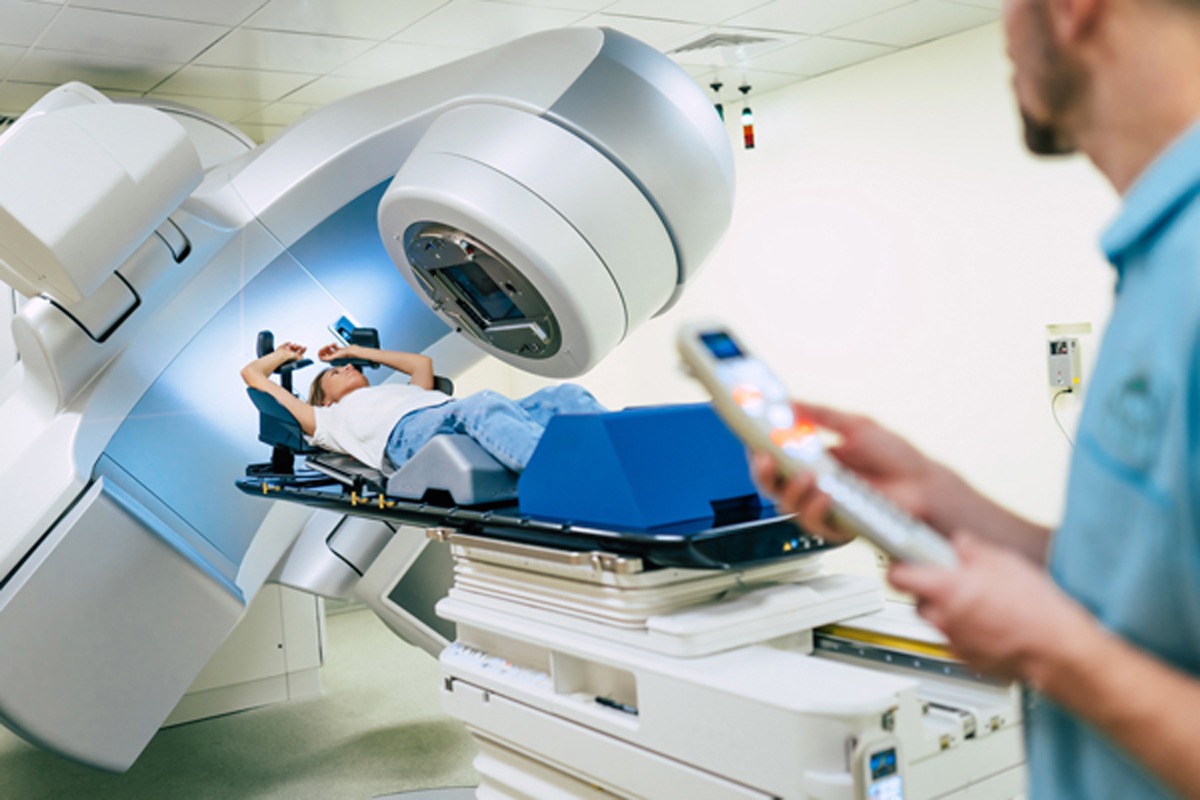
The process initiates with the collection phase, where stem cells are harvested. Most commonly, this is achieved through apheresis, a specialized process that filters stem cells directly from the peripheral bloodstream over several hours. Following successful collection, the patient enters the highly critical conditioning phase. During this period, oncologists administer targeted, myeloablative doses of chemotherapy, and occasionally total body irradiation. This phase is designed to completely destroy any residual diseased cells and strictly suppress the patient’s existing immune system, preventing it from rejecting the incoming healthy cells.
The infusion is then executed intravenously, a procedure that closely resembles a standard blood transfusion. Guided by remarkable biological homing signals, these specialized cells navigate through the circulatory system and settle directly into the empty bone marrow cavities. Over the ensuing weeks, a delicate physiological period known as engraftment occurs. During this time, the newly settled cells actively multiply and initiate the generation of a healthy, newly formed blood supply.
The Imperative of Specialized Healthcare Infrastructure
Because the intense conditioning phase intentionally strips patients of their natural biological defenses, the physical environment where medical recovery takes place is just as vital as the therapy itself. The patient remains profoundly immunocompromised during the weeks leading up to engraftment, leaving them highly vulnerable to common environmental pathogens.
Executing these high-stakes procedures requires an immense degree of coordination, cutting-edge medical technology, and a strictly regulated sterile environment. Patients must be accommodated in specialized positive-pressure isolation rooms equipped with high-efficiency particulate air (HEPA) filtration systems. Furthermore, managing the delicate post-transplant recovery phase demands a deeply integrated, multidisciplinary medical team comprising transplant hematologists, critical care staff, specialized oncology nurses, and infectious disease experts.
Leading international healthcare institutions, such as Liv Hospital, are intentionally engineered and technologically equipped to meet these precise structural and multidisciplinary demands. Such advanced facilities ensure that patients receive the relentless, comprehensive monitoring, rapid complication management, and exact supportive care required to safely navigate the most vulnerable phases of their medical journey.
Expanding the Horizons of Healing
The therapeutic applications for cellular medicine continue to expand at a highly encouraging pace. As global researchers refine patient safety protocols, targeted conditioning regimens are successfully making these treatments accessible to demographics previously deemed medically ineligible due to age or physiological comorbidities. Simultaneously, the integration of advanced biotechnologies, targeted immunotherapies, and genetic editing promises an era where cellular manipulation can effectively cure an even broader spectrum of inherited and acquired diseases. The continuous pursuit of scientific excellence ensures that cellular therapies will remain a vital pillar of modern hematology and oncology, dramatically elevating survival rates and securing healthier futures for patients across the globe.