




The Longevity Lifestyle: Why Living Better Matters More Than Living Longer
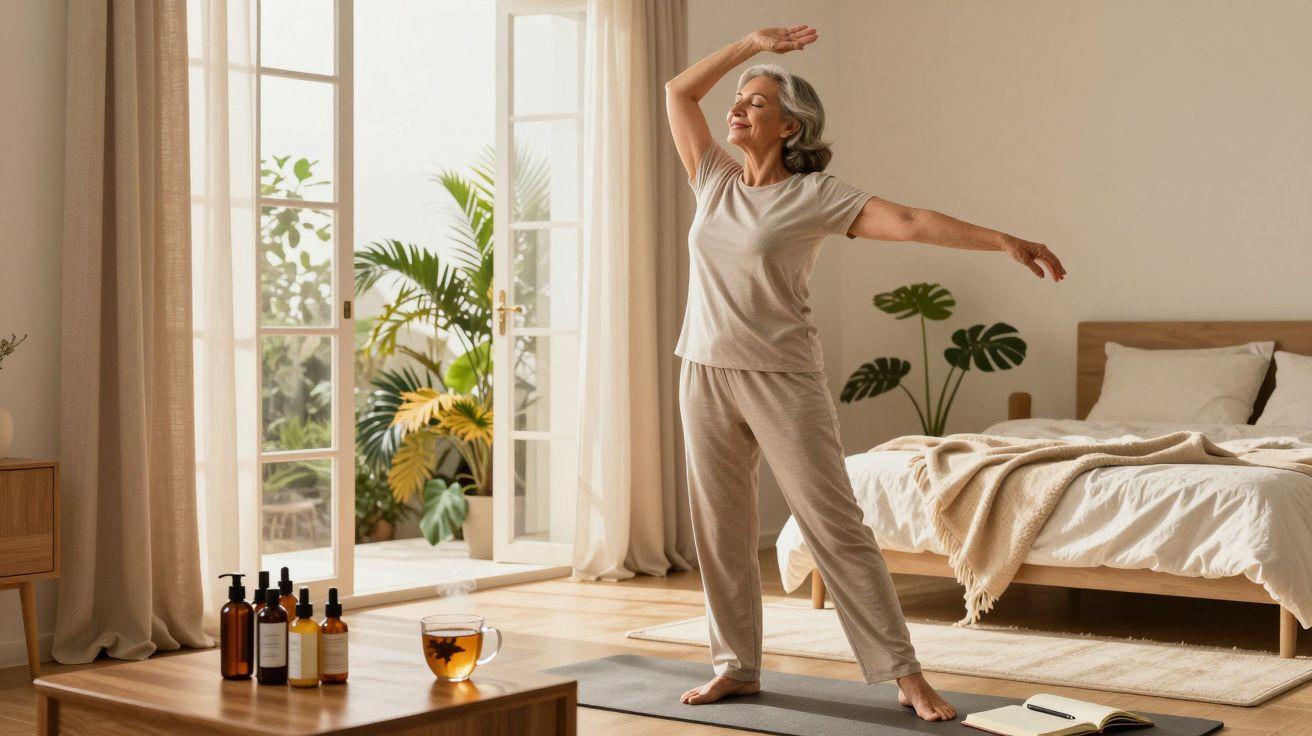
For decades, the conversation around aging centered on one question: How can we live longer?
Today, that question is evolving.
The new goal isn’t simply adding years to life—it’s adding life to those years.
From Silicon Valley entrepreneurs investing millions in longevity research to everyday people embracing strength training, better sleep, and whole foods, longevity has become one of the defining lifestyle movements of our time. But beyond the headlines and biohacking trends lies a quieter, more accessible truth: the foundations of a longer, healthier life have always been remarkably simple.
Longevity Has Entered Everyday Culture
Not long ago, the word longevity was mostly associated with scientific research or anti-aging medicine.
Now it’s everywhere.
Restaurants highlight nutrient-rich menus. Fitness studios promote healthy aging instead of rapid weight loss. Hotels are introducing wellness-focused experiences. Even conversations among friends are shifting from “How do I look younger?” to “How do I feel better for longer?”
This cultural shift reflects a growing understanding that health isn’t something we think about only when something goes wrong. It’s something we build, day by day, through our routines.
Healthy Aging Starts Earlier Than We Think
One of the biggest misconceptions about longevity is that it’s a concern for older adults.
In reality, many of the habits that influence how we age begin decades earlier.
The quality of our sleep in our thirties, the muscle mass we maintain in our forties, the relationships we nurture throughout adulthood, and the foods we choose every day all contribute to how we will feel later in life.
Longevity isn’t a destination.
It’s the result of thousands of small decisions made consistently over time.
Movement Is Medicine
The image of fitness has changed dramatically.
Instead of focusing solely on aesthetics, more people are exercising with the future in mind.
Can I carry my groceries comfortably at seventy?
Can I climb stairs without pain?
Can I travel, play with my grandchildren, or remain independent as I age?
These questions are reshaping the way people approach movement.
Walking, strength training, mobility exercises, yoga, swimming, and cycling aren’t just workouts anymore—they’re investments in future freedom.
Food as Daily Prevention
Longevity experts often disagree on the perfect diet.
What they consistently agree on is far simpler.
Eat more vegetables.
Choose minimally processed foods.
Include healthy fats.
Prioritize protein.
Reduce excessive sugar.
Cook at home more often.
Rather than following restrictive trends, many nutritionists encourage sustainable eating patterns that can be maintained for years instead of weeks.
The healthiest diet is often the one you can realistically enjoy for the rest of your life.
Sleep: The Most Underrated Wellness Habit
Modern culture has long celebrated productivity over rest.
Yet sleep remains one of the strongest predictors of physical health, mental clarity, emotional resilience, and long-term wellbeing.
During sleep, the body repairs tissues, regulates hormones, strengthens the immune system, and consolidates memory.
It’s difficult to build a healthy life on a foundation of chronic exhaustion.
In many ways, protecting your sleep may be one of the most valuable investments you can make.
Relationships Matter More Than We Realize
Longevity isn’t built in isolation.
Research on healthy aging consistently points to the importance of meaningful social connections.
Strong friendships.
Supportive families.
Purposeful communities.
Shared meals.
Simple conversations.
Human connection reduces stress, supports mental wellbeing, and reminds us that health isn’t only physical—it’s deeply social.
The Future of Wellness Is Sustainable
Perhaps the most refreshing aspect of the longevity movement is its rejection of extremes.
You don’t need expensive supplements.
You don’t need a complicated morning routine.
You don’t need to optimize every minute of your day.
Instead, longevity encourages consistency over perfection.
A walk after dinner.
Strength training twice a week.
Cooking more meals at home.
Getting enough sleep.
Laughing with people you love.
Reading before bed instead of scrolling.
These habits may not seem revolutionary on their own.
Together, they shape a lifestyle that supports not only a longer life but a richer one.
Living Well Is the Real Goal
Longevity isn’t about chasing immortality.
It’s about preserving the ability to enjoy life for as long as possible.
To wake up with energy.
To stay curious.
To move with confidence.
To continue learning, exploring, traveling, and sharing meaningful moments with others.
In the end, the most inspiring vision of longevity isn’t measured by the number of birthdays we celebrate.
It’s measured by the quality of the ordinary days in between.


